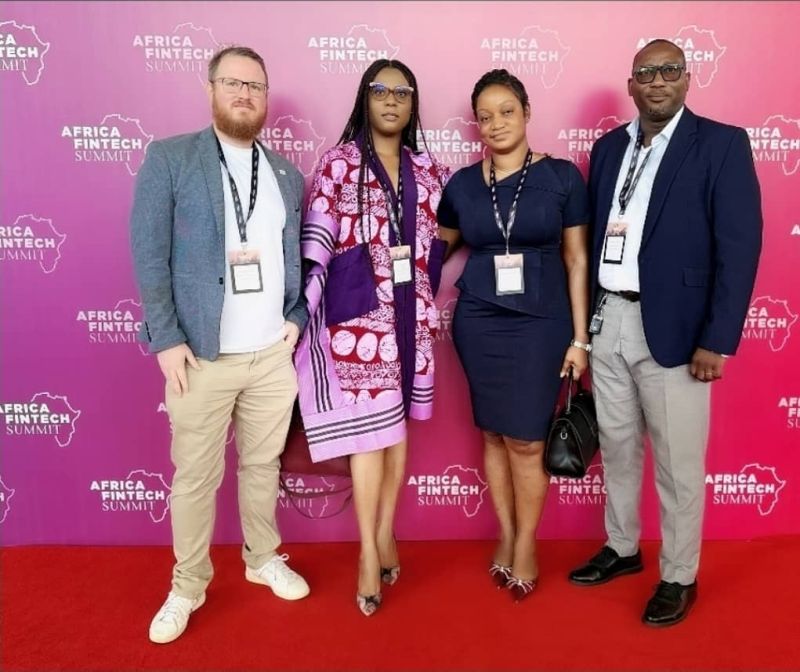
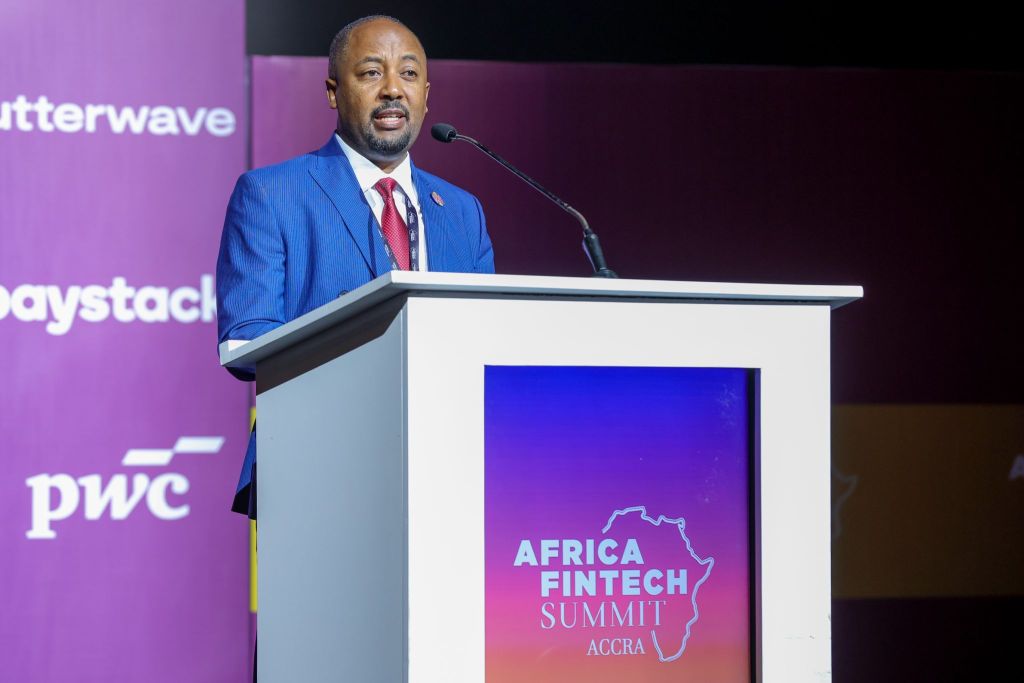
Over three dynamic days in Accra, Ghana took centre stage at the Africa FinTech Summit 2025; not just as host, but as a driving force behind the continent’s digital future. Government officials, regulators, founders, investors and global tech players gathered at the Accra International Conference Centre to exchange bold ideas and build a collective path forward for fintech, AI, payments and data infrastructure in Africa.
The message was clear: Africa is no longer waiting for digital progress to arrive. It is building it, shaping it, and claiming ownership of the systems that will define its future.
Day 1: Policy, Strategy and a Call for Collaboration
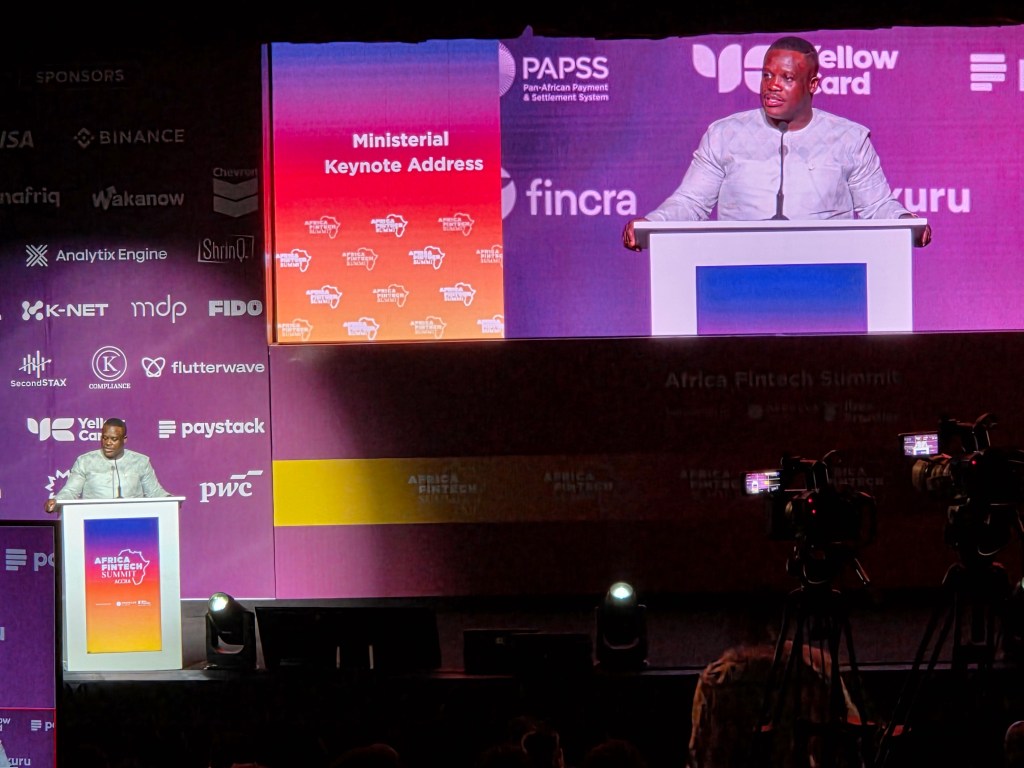
The summit opened with a strong ministerial statement from Hon. Samuel Nartey George, Minister of Communications and Digital Technology, who urged African nations to work together on payment integration and digital sovereignty. His keynote underscored the urgency of building local infrastructure, harmonising data systems and ending reliance on foreign payment rails.
“AfCFTA remains a dream and a mirage if we do not make digital trade the centre pillar,” he said. “Let us put our egos aside and let PAPSS work.”
AI was a major theme across the event, beginning with Day 1 where Ghana’s nearly completed National AI Strategy was presented. Developed through close collaboration with academia and innovators, the strategy focuses on practical deployment in key sectors like agriculture, education and healthcare. Local language models and voice-first tools were highlighted as essential to overcoming barriers in literacy and access.
To support this, Ghana is finalising the Data Harmonisation Act, which will bring together key datasets from across government systems into a central AI-ready platform. Each ministry is expected to have AI use cases included in their KPIs from 2026 onwards.
The government also called on OpenAI and other global tech companies to support Ghana’s One Million Coders initiative, encouraging them to fund AI training for thousands of young people. These aren’t just pilot projects. They are nation-scale plans with timelines and accountability.
Day 2: Workshops, Builders and Action Plans
If Day 1 laid out the vision, Day 2 got practical. The programme included panel discussions, technical workshops and closed-door boardrooms. Infrastructure, policy design, capital access and creative finance models were all on the table.
Panel topics included:
- Digital inclusion through infrastructure
- Regulation and innovation
- Pan-African payments (PAPSS)
- Culture and finance
- The gig economy and digital jobs
- Startup funding and investor strategies
AI featured heavily throughout both days, with practical sessions on use cases, policy alignment and how to build safe, inclusive systems tailored for African needs. There was a consistent thread: AI can’t be a distant aspiration. It needs to solve real-world problems here and now.
Mike Ogbalu III, CEO of PAPSS, shared an update on progress: “We want Africans to be able to make payments to each other as easily as sending an SMS. Fund transfers are now settling in 7 seconds.”
He called on startups to think beyond borders. “You’ve built something that works in one country; come talk to us and let’s scale it to 54.”
Other voices echoed the spirit of collaboration:
“Your interests are not misaligned with policymakers. Be patient, open-minded and engage,” said Kwame Oppong from the Bank of Ghana.
“Fintech isn’t just about payments, it’s about building resilient economies,” added Olufunmi Fagbulu from VISA.
Larry Cooke from Binance delivered a sharp warning: “If African countries don’t find ourselves on the global blockchain ledger, foreign currencies will dominate local ends.”
Fintech Pitch Competition
The day closed with a showcase of promising fintech innovators.
Pitch Competition
- 1st Place: Yene Health – An Ethiopian femtech platform offering reproductive health tools such as period and pregnancy tracking, teleconsultations, e-pharmacy delivery and health content in local languages.
- 2nd Place: Nyla Bank – A Shariah-compliant digital bank delivering ethical, multi-currency banking services with transparency, social responsibility and inclusive finance at its core.
- 3rd Place: ProDetect – A Ghana-based AI-native fraud detection platform designed to protect African financial systems with real-time monitoring tailored to local transaction patterns.
Digital Infrastructure: More Than a Foundation
One message came through clearly across the event through Onix Data Centre discussions with stakeholders: fintech and AI can’t scale without serious infrastructure behind them. Stronger, faster and safer systems are not optional, they are essential. It’s not just about having a data centre. It’s about having facilities that are secure, efficient and sustainable enough to support the workloads of tomorrow.
As AI adoption grows, so does the demand for high-density computing, stable connectivity and climate-conscious power solutions. That’s why high-quality data centres must become a national priority, not an afterthought.
The Onix Perspective
At Onix, we see the shift happening already. Our Tier IV-certified data centre in Accra is designed to meet the demands that events like AFTS highlight. Real-time fintech transactions, national health systems, AI model training and more. With 100% solar coverage during the day and connectivity to over 30 networks, we provide the kind of environment needed to keep Africa’s digital ambitions moving forward.
We are proud to support this ecosystem, not just by housing data, but by helping power the platforms and services that make digital inclusion a reality.
Africa Is Not Waiting
AFTS Accra 2025 showed that Ghana is not waiting for the future to be delivered. It is building it through national strategies, policy frameworks, international partnerships and homegrown solutions. From AI and cross-border payments to infrastructure and innovation, the groundwork is being laid—boldly and visibly.
And as this ecosystem continues to grow, Onix will be right there, providing the space, speed and support that Africa’s digital future demands.