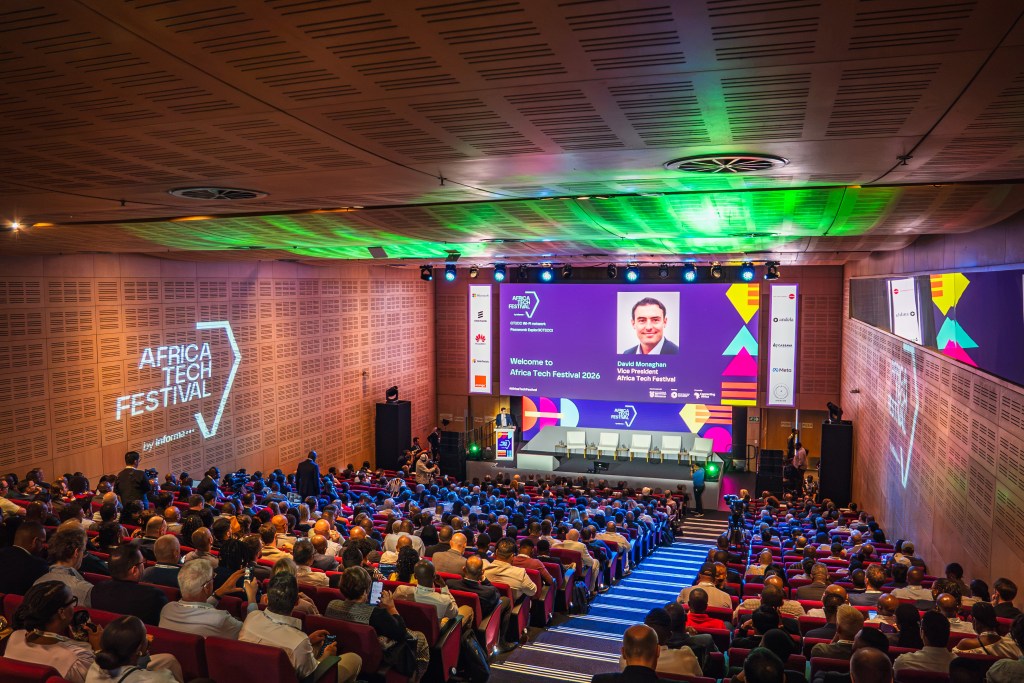
Africa Tech Festival 2026 and the Digital Africa Summit brought together technology leaders, policymakers, investors and businesses to examine the continent’s digital future. While artificial intelligence dominated much of the discussion, the two events also exposed some important questions about infrastructure, investment, access and Africa’s ability to develop its own technological capabilities.
Cape Town hosted two significant gatherings for Africa’s technology industry in November, with Africa Tech Festival taking place from 17 to 19 November and the Digital Africa Summit on 18 November. Across the discussions, there was considerable enthusiasm about artificial intelligence and its potential to transform African economies. Yet beneath the ambitious predictions, a more practical debate was emerging about what the continent needs to turn technological advances into lasting economic and social benefits.
The contrast between the two events was particularly revealing. While participants at Africa Tech Festival examined the investment required for AI factories, computing capacity and next-generation digital infrastructure, the Digital Africa Summit highlighted the millions of Africans who remain offline despite living within reach of mobile broadband networks. Together, the discussions illustrated the complexity of Africa’s digital transformation. The challenge is not simply to build more infrastructure or adopt increasingly sophisticated technologies, but to ensure that investment translates into useful services, economic opportunities and wider participation.
Infrastructure, investment and Africa’s AI ambitions
Artificial intelligence was a dominant theme throughout Africa Tech Festival, although some of the most interesting conversations concerned the physical infrastructure required to support it. Opening the event, South Africa’s Deputy President, Paul Mashatile, emphasised the importance of developing African technological capabilities rather than remaining dependent on solutions created elsewhere. His remarks helped establish a recurring theme across the conference: Africa needs to participate more actively in creating the technology and infrastructure that will shape its economic future.
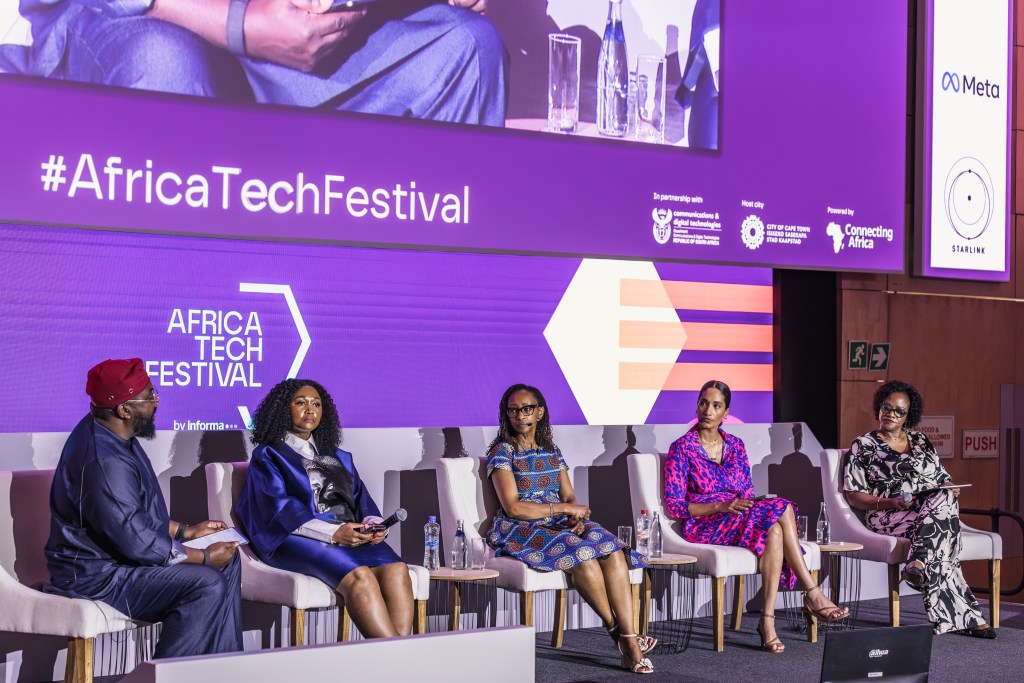
During a morning panel featuring representatives from Africa Data Centres, Mauritius Telecom, Ericsson and other technology businesses, speakers examined how the continent should prioritise investment in computing infrastructure, telecommunications networks, research and skills development. One panellist compared the different elements of the AI economy to a transport system, with infrastructure providing the roads, applications serving as the vehicles and skilled people acting as the drivers. The analogy captured an important challenge. Investment in any one of these areas will achieve relatively little without corresponding progress in the others.
The scale of Africa’s infrastructure requirements was a particular concern. Representatives from the data-centre industry described the substantial computing capacity needed to support more advanced AI applications, while acknowledging the investment, electricity and cooling requirements involved. These are not insignificant considerations for markets already facing competing demands for capital and energy. There was also recognition that additional capacity must be supported by genuine commercial demand, rather than built solely in anticipation of future growth.
Environmental responsibility featured prominently in these discussions. Data-centre operators face the difficult task of expanding capacity while managing electricity consumption, water use and their wider environmental impact. During the festival week, South African operator Teraco reported progress in its renewable-energy programme, with electricity from a contracted wind-power producer being supplied to its Cape Town facilities through the electricity grid. Such arrangements demonstrate how energy planning is becoming increasingly important to the long-term economics of digital infrastructure.
For Ghana and other West African markets seeking to attract investment, these conversations are particularly relevant. The availability of reliable electricity, competitive connectivity, suitable facilities and skilled personnel will help determine where future infrastructure projects become commercially viable. Countries able to demonstrate these capabilities, alongside a predictable regulatory environment, will be better positioned to compete for investment.
From consuming technology to creating African solutions
Another recurring question was whether African countries should concentrate their resources on developing large foundational AI models or instead build applications using technologies that already exist. Several speakers argued that the latter approach could provide more immediate economic opportunities, particularly where African developers can address local languages, business practices and regulatory requirements that international technology companies may not fully understand.
Mauritius Telecom provided an interesting example through its work developing AI-enabled educational applications. The company discussed efforts to create technology capable of communicating in Mauritian Creole, a language with a relatively small global population. Developing such capabilities requires local knowledge, language resources and considerable practical experimentation. It also illustrates why African organisations may need to take the initiative in creating applications that address needs unlikely to receive substantial investment from major international technology providers.
The importance of collaboration was reinforced by an announcement during the festival that Cassava Technologies and Mauritius Telecom had signed a memorandum of understanding to explore AI infrastructure and related opportunities. The proposed cooperation includes access to computing capabilities and opportunities to expand AI-powered educational services into other African markets. It offers an example of how regional infrastructure providers and locally focused technology companies might combine their capabilities without attempting to develop every component independently.
Digital sovereignty was another important element of this conversation. The issue extends beyond the physical location of servers or whether information is stored within national borders. It concerns the ability of organisations and countries to exercise meaningful control over their technology, data, infrastructure and commercial relationships. African businesses can benefit from international platforms while also developing domestic capabilities, provided they understand the dependencies and risks associated with their choices.
The discussions also highlighted that technology alone cannot deliver organisational transformation. Speakers from several industries described how AI is already changing customer service, software development, manufacturing and business administration. Some emphasised the importance of retraining employees and creating opportunities for people to move into more valuable roles as repetitive tasks become automated. Others argued that successful adoption requires visible leadership, organisational flexibility and a willingness to experiment. Rather than treating AI as another project for the IT department, businesses increasingly need to consider its implications across their entire operations.

The Digital Africa Summit: connectivity does not automatically mean inclusion
While Africa Tech Festival focused heavily on the technologies of the future, the Digital Africa Summit brought attention to an equally important challenge involving the infrastructure that already exists.
Research presented through the GSMA’s Digital Africa Index 2026 highlighted a substantial difference between the availability of mobile broadband networks and their actual use. According to the report, approximately 92% of Africa’s population lives within mobile broadband coverage, yet only 28% uses mobile internet on their own devices. The figures expose a significant gap between network availability and meaningful participation in the digital economy.
The reasons are varied, but affordability remains a major obstacle. Smartphones are still beyond the financial reach of many households, while digital literacy, suitable local-language content and the perceived usefulness of online services also influence adoption. Even where network coverage is available, individuals may lack the means or confidence to take advantage of it.
The GSMA highlighted South Africa’s experience following the removal of excise duty on lower-cost smartphones in April 2025. The subsequent increase in sales of entry-level devices provided an example of how relatively targeted policy measures can influence access to digital technology. It also demonstrated that extending network coverage is only one part of the challenge.
This creates an interesting contrast with the excitement surrounding artificial intelligence. While the industry is debating the development of increasingly sophisticated computing infrastructure, a substantial proportion of the continent’s population remains unable to use existing digital services. Both priorities are legitimate, but they need to be considered together. Investments in connectivity, affordable devices, relevant applications and digital skills are essential if the benefits of advanced technologies are to reach beyond established businesses and relatively affluent users.
Ghana’s position in a changing digital landscape
Ghana featured positively in the GSMA’s assessment of digital development and policy progress. The country was recognised among a group of African markets demonstrating comparatively strong performance across digital development and the policy environment, while its improvements in digital policy and regulation since 2024 were also highlighted.
These findings are encouraging for a country seeking to strengthen its position as a regional destination for digital services and technology investment. However, effective regulation and national digital strategies must ultimately be judged by their implementation and the opportunities they create for businesses and citizens.
Ghana’s Minister for Communication, Digital Technology and Innovations, Samuel Nartey George, also participated in discussions around digital sovereignty at Africa Tech Festival. For Ghana, the issues raised extend across the development of domestic infrastructure, control over data, the availability of technical expertise and the country’s ability to participate in regional and international digital markets.
The opportunity is not necessarily to replicate the largest infrastructure projects underway elsewhere on the continent. Ghana can establish a stronger position by creating an environment in which businesses can access reliable infrastructure, connect to regional and international networks, and develop digital services with confidence. This includes supporting organisations whose operations depend on business continuity, secure systems and predictable connectivity, particularly in sectors such as financial services, telecommunications, healthcare and public administration.

Turning technological ambition into economic value
By the conclusion of the events, a consistent message had emerged across discussions involving infrastructure providers, technology developers, policymakers and investors. Africa has considerable opportunities to participate more actively in the global digital economy, but progress depends on making coordinated decisions about investment, technology, skills and market development.
The challenge is also one of priorities. Expanding computing capacity without sufficient demand creates commercial risks, while developing applications without reliable infrastructure introduces operational dependencies. Equally, increasing network coverage without addressing affordability and digital skills limits the economic value of that investment. These challenges are interconnected, and solving them requires cooperation between governments, telecommunications operators, data-centre providers, technology companies, investors and educational institutions.
For Onix, which operates a carrier-neutral colocation facility in Accra, the discussions reinforced the importance of resilient infrastructure and reliable connectivity in supporting Ghana’s digital economy. The company’s role sits within a much broader ecosystem, where infrastructure decisions affect the ability of businesses to operate continuously, introduce new services and respond to technological change.
What made the Cape Town discussions particularly valuable was the increasing recognition that Africa’s digital development cannot be measured solely by new infrastructure announcements, investment commitments or the adoption of fashionable technologies. These developments are important, but their ultimate significance depends on whether they create sustainable businesses, improve access to services, strengthen local expertise and generate economic value.
Africa Tech Festival and the Digital Africa Summit demonstrated both the scale of the continent’s ambitions and the practical challenges that remain. The next stage of development will depend less on the technologies being discussed and more on how effectively the continent brings together infrastructure, investment, skills and useful applications to deliver measurable results.